25 Best Tips for Sustainable Living in 2026 (Save Money + Planet)
Short on time?
These sustainable living tips take under 5 minutes, cost almost nothing, and help reduce waste, energy use, and daily expenses — without changing your lifestyle.
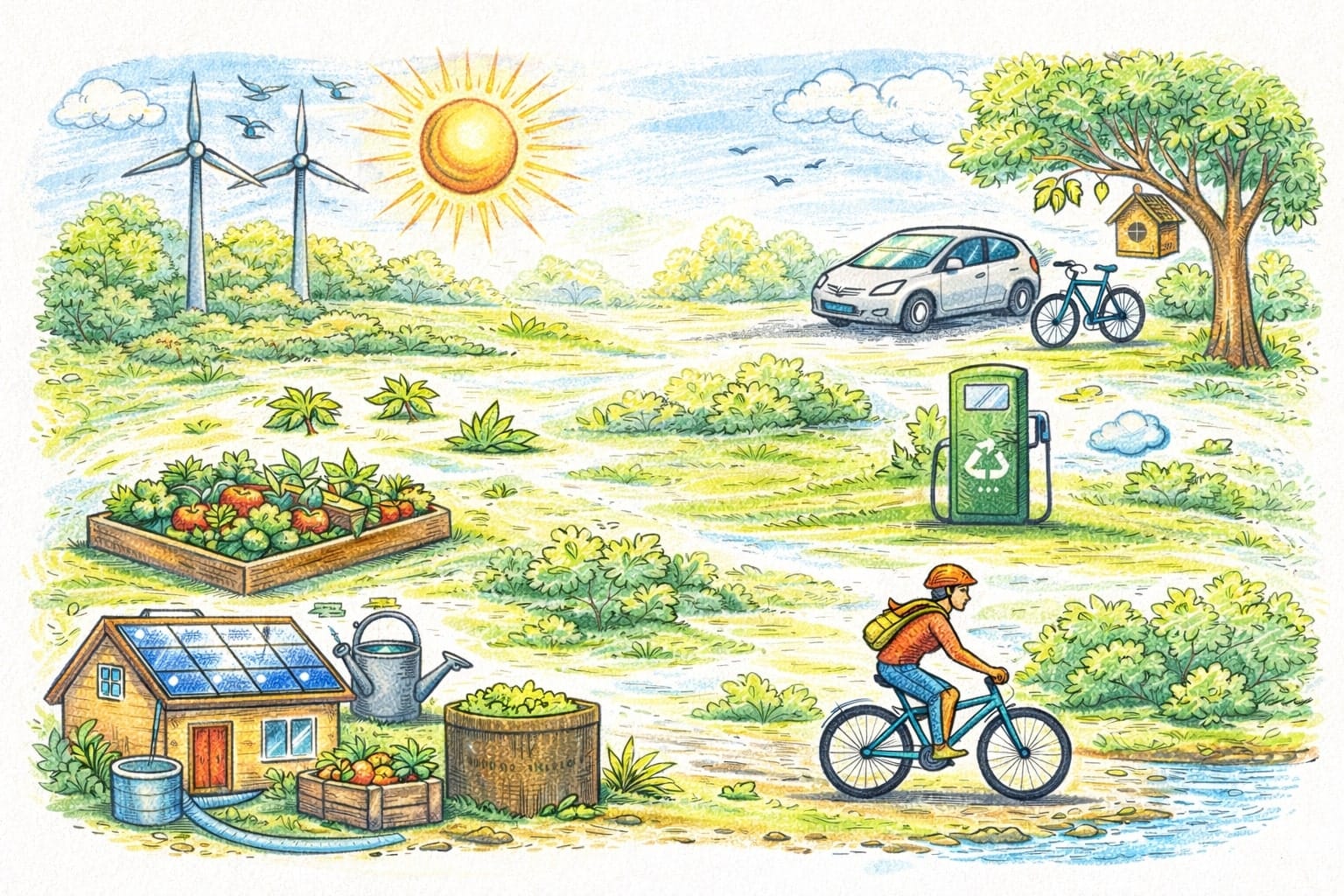
In our fast-paced lives, we often search for solutions outside ourselves — how to lower electricity bills, live more eco-consciously, or adopt sustainable habits. In the noise of endless advice, we forget that nature has always shown us how to live in balance. Sustainable living simply means learning to live within those natural limits.
At its core,sustainable living is about small, mindful choices that reduce waste, conserve resources, and protect long-term well-being. What once felt like a lifestyle trend has now become a practical response to climate change, rising costs, and everyday health concerns. Living sustainably isn’t just about protecting the planet — it’s also about safeguarding your finances, comfort, and future.
So where do you begin?
Right here. This guide breaks sustainable living down into simple, achievable actions you can start today. From quick daily habits that take less than five minutes to meaningful long-term changes, these practical tips for sustainable living help you save money, reduce environmental impact, and live more consciously — without feeling overwhelmed.
What Does Sustainable Living Mean?
Sustainable living explained: It’s about making choices that reduce environmental harm while maintaining a good quality of life. Think of it as living in harmony with nature—minimising waste, conserving resources, and making conscious purchasing decisions.
As the Zero-Waste Chef, Anne-Marie Bonneau, reminds us: "We don’t need a handful of people doing sustainability perfectly. We need millions doing it imperfectly."
So, don’t aim for perfection—just start where you are. Whether it’s using eco-friendly technologies for sustainable living or practising what are sustainable living practices, every effort matters.
At its core, sustainable living is just living with care—using less, wasting less, and remembering that every little action protects the world we’ll pass on. No pressure. Just progress.
Sustainable living isn’t a destination — it’s a way of aligning our daily choices with an eco-friendly lifestyle that protects the planet while improving the quality of our own lives.
Sustainable living focuses on practical actions that reduce environmental impact while supporting long-term health, financial stability, and well-being.
To understand the broader approach, explore our complete guide to eco-friendly living.
25 Sustainable Living Hacks That Take Less Than 5 Minutes a Day
Why does this simple habit work so well? Because it’s effortless—you’re not adding new chores, just looking at everyday items through a waste-free lens. Instead of tossing scraps, you’re turning them into value, saving money on things like fertilizer, napkins, or even mulch. And the best part? It’s silently educational. When kids, friends, or neighbors spot banana peels “planted” in your garden, they’ll be curious—and you’ll spark conversations about sustainability without even trying.
Compost Banana Peel
Burying banana peels adds potassium-rich nutrients to soil and reduces organic waste.
Reuse Old Clothes
Turning worn clothes into cleaning cloths or napkins reduces paper waste and extends textile life.
The takeout container?
Reusing takeout containers as seed starters reduces plastic waste and supports home gardening.
The stale bread?
Turning stale bread into croutons or breadcrumbs prevents food waste and stretches pantry supplies.
The lemon rind?
Rubbing lemon rinds on faucets helps remove hard water stains naturally without chemical cleaners.
Stale Rice
Frying leftover rice with vegetables saves energy compared to reheating and reduces food waste.
Buy Local & Seasonal Produce
Buying local and seasonal produce lowers transport emissions while offering fresher and more nutritious food.
Turn Off Lights
Switching off lights when leaving a room is one of the simplest ways to save electricity every day.
Grow Your Own Food
Growing your own fruits, vegetables, or herbs reduces packaging waste, transport emissions, and food costs.
Use Leftovers Creatively
Turning leftovers into soups, stews, or smoothies helps reduce food waste and stretch meals further.
Walk, Bike, or Carpool When Possible
Choosing walking, cycling, or carpooling for short trips lowers emissions and reduces fuel use.
Drive Efficiently
Smooth driving habits improve fuel efficiency and reduce unnecessary carbon emissions.
Ditch Single-Use Plastics
Carrying reusable bottles, bags, and utensils helps reduce plastic pollution and everyday waste.
Buy in Bulk & Refill
Buying items in bulk and using refill stations reduces packaging waste and saves money over time.
Upcycle Old Clothes & Items
Upcycling old clothes or household items extends their life and keeps usable materials out of landfills.
Switch to Digital Receipts & Billing
Choosing digital receipts and bills reduces paper waste and simplifies record keeping.
Say No to Fast Fashion
Choosing durable, well-made clothing reduces textile waste and lowers the environmental impact of fashion.
Start with One Habit at a Time
Building sustainable habits gradually makes long-term change easier and more achievable.
Pro Tip: Pick one that makes you smile ("Ooh, Banana Peel!") and try it today. Sustainability should feel like a "Treasure hunt, not homework".
Climate Crisis Mitigation
Human activities release 50 billion tons of greenhouse gases annually (Ourworldindata).
75% of global emissions come from just 20 countries (Climate Watch).
Switching to renewable energy could prevent $4.2 trillion in climate damages by 2030 (IRENA).
Resource Preservation
The world currently consumes 1.7 Earths’ worth of natural resources every year (Global Footprint Network).
90% of biodiversity loss is linked to resource extraction (WWF Living Planet Report).
By 2030, global demand for water is expected to exceed supply by 40% (World Resources Institute).
Health & Economic Benefits
Air pollution causes around 7 million premature deaths every year (WHO).
Walking or biking for just 30 minutes daily can reduce heart disease risk by 30% (The Lancet).
Cities that prioritize green infrastructure report 25% lower healthcare costs (Journal of Urban Health).
5 Core Principles of Sustainability Living
Understanding the principles of sustainability lays a strong foundation for eco-friendly living—transforming small actions into meaningful change
That Feel Like Coming Home
Pro Tip: Pick one that makes you smile ("Ooh, Banana Peel!") and try it today. Sustainability should feel like a "Treasure hunt, not homework".
Before purchasing anything new
(even if it’s labeled
"eco-friendly"),
ask yourself:
Can I use what I already have?
Is this truly necessary?
Can I repair, repurpose, or share instead?
Sustainable Daily Habits Aligned With the 17 SDGs
| SDG | GOAL | Sustainable Habit |
|---|---|---|
1 |
No Poverty |
Support local & fair trade businesses, donate unused items |
2 |
Zero Hunger |
Grow your own herbs/veggies, minimize food waste |
3 |
Good Health & Well-being |
Walk/bike instead of driving, reduce indoor toxins |
4 |
Quality Education |
Support women-led green businesses, reduce unpaid household labor with efficiency |
5 |
Clean Water & Sanitation |
Take 5-minute showers, install low-flow devices, fix leaks |
6 |
Affordable & Clean Energy |
Switch to LEDs, unplug devices, use solar chargers |
7 |
Decent Work & Economic Growth |
Buy from ethical companies, avoid fast fashion |
8 |
Industry, Innovation & Infrastructure |
Use smart meters/thermostats, support eco-innovation startups |
9 |
Industry, Innovation & Infrastructure |
Use smart meters/thermostats, support eco-innovation startups |
10 |
Reduced Inequalities |
Buy inclusive brands, support climate justice campaigns |
11 |
Sustainable Cities & Communities |
Use public transport or bike, support local eco-initiatives |
12 |
Responsible Consumption |
Compost, recycle properly, use reusable bags/containers |
13 |
Climate Action |
Reduce meat intake, limit flights, plant trees |
14 |
Life Below Water |
Avoid single-use plastics, choose reef-safe products |
15 |
Life on Land |
Compost organic waste, support reforestation, buy organic |
16 |
Peace & Justice |
Advocate for environmental justice and human rights |
17 |
Partnerships for Goals |
Collaborate with others on sustainability efforts, join local green groups |
Why You Can Trust Earthlyours
At Earthlyours, we focus on practical, research-backed sustainable living habits that work in real life — not trends or greenwashing. Our content is built using insights from trusted global institutions, environmental research, and real-world application, with the goal of helping people make informed, achievable changes that benefit both their daily lives and the planet.
Conclusion
Sustainable living isn’t about doing everything perfectly—it’s about making mindful choices, one step at a time. From turning off lights to growing your own herbs, each habit contributes to reducing waste, saving money, and protecting the planet.
The truth is, we don’t need a handful of people living perfectly sustainable lives. We need millions of us living it imperfectly but consistently. Every action matters—because together, they add up to real change.
So start today. Choose one tip, put it into practice, and watch how it inspires the next. A greener, healthier future begins with the choices you make right now.
Sustainable Living FAQs: Simple Answers to Big Questions
Because it reduces waste, saves resources, and helps ensure a healthier planet for future generations.
To cut down on pollution, conserve natural resources, and create a better quality of life for ourselves and others.
A personal or community guide that outlines steps—like saving energy, reducing waste, and using eco-products—to live more sustainably.
Examples include composting, biking instead of driving, buying local food, and avoiding single-use plastics.
By conserving energy, reducing waste, and lowering emissions, sustainable living helps protect ecosystems and wildlife.
Not all—but it plays a major role in reducing pollution, slowing climate change, and conserving resources.
By lowering greenhouse gas emissions through energy savings, renewable use, and less waste.
Using less energy, buying fewer disposables, and reusing resources means more savings in your pocket.
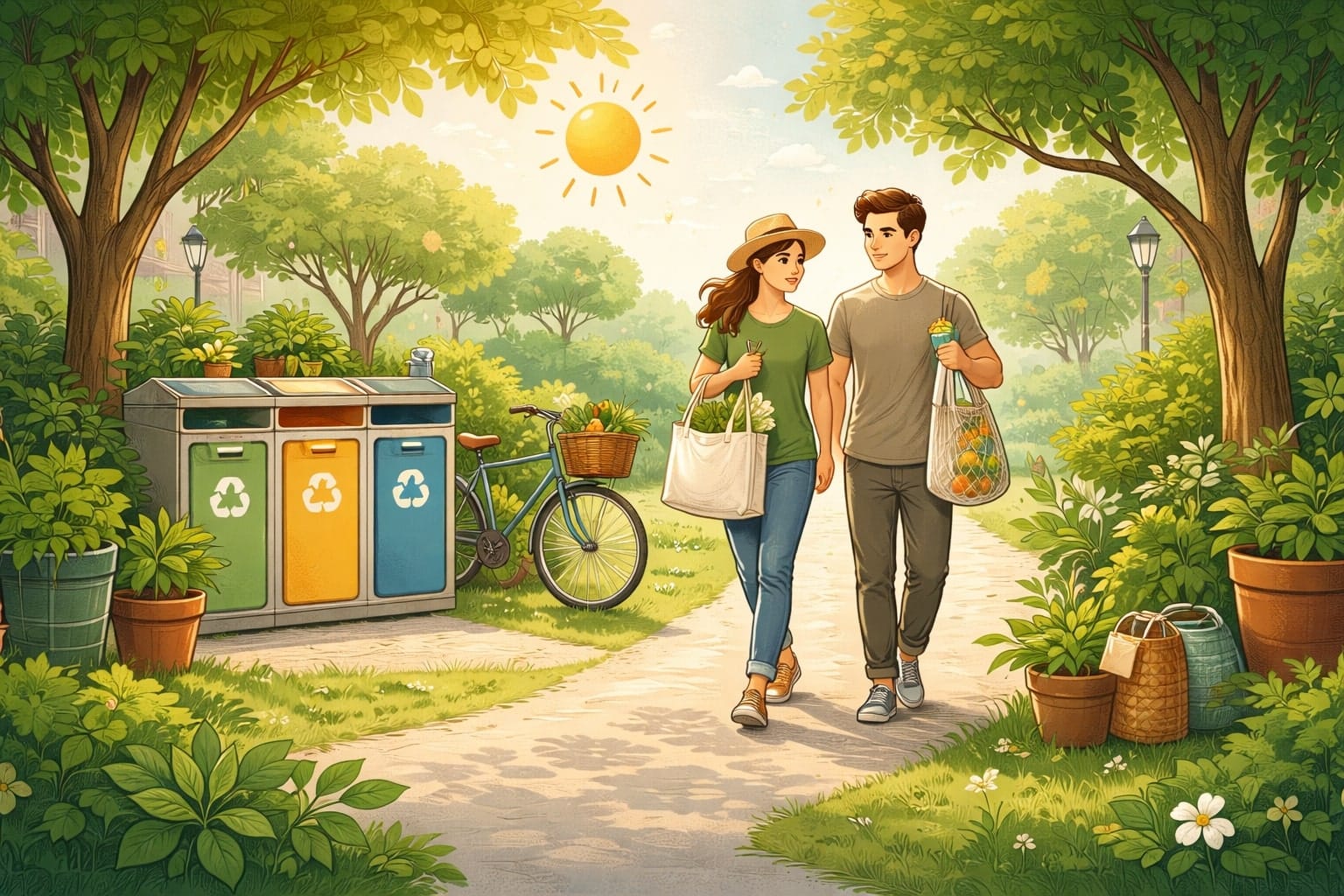
This Is a Journey, Not a Destination
Eco-conscious living isn't about perfection or overnight transformation. It's about showing up with curiosity, learning as you go, and finding your own authentic path toward a more intentional life.
Join a community of thoughtful individuals who are exploring what it means to live in harmony with Earth—one choice, one reflection, one small step at a time.