

What Is Reef-Safe Sunscreen? Why It Matters for Coral Reefs
What if your sunscreen was harming the ocean?
Every year, an estimated 14,000 tons of sunscreen enter our seas. Much of it contains chemicals linked to coral reef damage.
It’s time we choose better — for our skin and the planet.
Discover what reef-safe really means and how small, everyday choices can help protect marine life, one bottle at a time.
Imagine this: you’re standing on a beautiful beach, waves at your feet, sunscreen on your skin. You feel protected. But beneath that clear water, coral reefs are quietly struggling — and most of us don’t realise that our daily skincare routine may be part of the problem.
If you’ve ever wondered, “What is reef-safe sunscreen?” or “Is my sunscreen harming the ocean?” — you’re not alone. This guide explores the science, the impact, and the choices that allow you to protect your skin without putting marine ecosystems at risk.
And if you’re already looking for practical, ingredient-verified options, you can also explore our complete reef-safe sunscreen guide to see how to choose safer sunscreens for your skin and the ocean.
What Is Reef-Safe Sunscreen?
Reef-safe sunscreen refers to sun protection formulas that avoid ingredients known to harm coral reefs and marine life. Most reef-conscious sunscreens rely on non-nano zinc oxide or titanium dioxide, mineral filters that sit on the skin’s surface and reflect UV rays instead of dissolving into the water.
Why Reef-Safe Sunscreen Matters
Certain chemicals in conventional sunscreens have been linked to coral bleaching, DNA disruption in marine organisms, and interference with aquatic life cycles.
- Around 14,000 tons of sunscreen enter the oceans each year
- Reef tourism zones show the highest contamination
- Several regions now restrict reef-harming UV filters
Every application may seem small, but repeated millions of times, these choices place enormous pressure on reef systems already weakened by warming seas and pollution.
Your sunscreen choice may not save the ocean alone — but it can stop contributing to the damage.
Choosing reef-safe sunscreen is one of the simplest ways to begin aligning your personal care routine with sustainable beauty and fashion principles — where what we put on our bodies matters just as much as what we consume.
So, what makes reef-safe sunscreen different?
The Ingredients Harming Our Oceans
Scientific research and environmental monitoring have identified several sunscreen ingredients associated with marine harm:

These ingredients are often found in products marketed as “waterproof,” “ultra-light,” or “sport” formulas — which is why ingredient labels matter more than front-of-bottle claims.
These are often found in "waterproof," "broad-spectrum," or "ultra-light" products. Could you always check the label?
Regular vs. Reef-Safe Sunscreen: What’s the Difference?
Traditional sunscreens usually rely on chemical UV filters that absorb into the skin — and wash into waterways. Reef-safe options instead use mineral filters like non-nano zinc oxide, which remain on the skin’s surface.
Dermatologists agree: wearing sunscreen is essential to protect your skin from harmful UV rays. But choosing the right sunscreen—one that’s good for both your skin and the planet—is where eco-conscious living begins. Here’s a quick and clear breakdown of how reef-safe and regular sunscreens compare so you can make the most informed choice.

How to Know If Your Sunscreen Is Truly Reef-Safe
Reef-safe claims can be misleading if you don’t know what to look for. Follow these simple steps to make sure your sunscreen is truly safe for coral reefs and marine life:

- Check for: active ingredients non-nano zinc oxide or titanium dioxide
- Avoid: Oxybenzone, Octinoxate, Octocrylene, Avobenzone, Parabens
- Look for transparency: EWG Verified or full ingredient disclosure
- Be cautious of marketing terms like “natural” or “ocean-friendly”
- When in doubt, trust ingredient lists — not front labels.
If you’re looking for ingredient-verified options and practical examples, explore our complete reef-safe sunscreen guide.
Sunscreen, Ocean Pollution & Hidden Impacts
Sunscreen is vital for skin protection — dermatologists recommend it daily to shield against harmful UV rays. But pause and ask yourself: how many sunscreen or lotion bottles and sachets do you use in a year? How many empty containers are left behind in bathroom cabinets, storerooms, or quietly tossed into the trash?
We rarely notice it, but the skincare industry generates an enormous amount of hidden plastic waste — packaging that feels insignificant individually, yet becomes devastating at scale. From multi-layer sachets that cannot be recycled to single-use plastic bottles designed for short lifespans, much of this waste escapes our attention while steadily accumulating in landfills and oceans.
If this is something you’ve never thought about before, we explore it in depth in our guide on the hidden plastic waste behind everyday products — and why it matters more than most of us realise.
- More than 1.5 billion sunscreen bottles are sold globally each year. Most are made from plastic that is difficult to recycle and often ends up in landfills or oceans.
- Single-use sachets add another invisible layer of pollution. Though small, they are nearly impossible to recycle and collectively contribute hundreds of thousands of tons of plastic waste annually.
- On average, one person may use 4–6 bottles and dozens of sachets every year. Multiply that across households, and the scale becomes impossible to ignore.
We rarely notice it, but the skincare industry generates an enormous amount of hidden plastic waste — packaging that feels insignificant individually, yet becomes devastating at scale. From multi-layer sachets that cannot be recycled to single-use plastic bottles designed for short lifespans, much of this waste escapes our attention while steadily accumulating in landfills and oceans.
If this is something you’ve never thought about before, we explore it in depth in our guide on the hidden plastic waste behind everyday products — and why it matters more than most of us realise.
Brands produce what consumers continue to buy. Change begins when demand shifts.
Every conscious choice quietly tells the market: do better.
Sunscreen Plastic Waste Estimator to Calculate Your Impact. See how your daily sunscreen and lotion habits contribute to plastic pollution and take action!
Recent trends show that consumers are demanding more sustainable packaging, and some brands are responding with refill stations, plastic-free innovations, and return-back schemes. But widespread change depends on consistent consumer demand.
What you can do:
- Opt for sunscreens in reusable, refillable, or plastic-free packaging
- Say no to sachets — choose larger containers or bulk-buy options
- Support brands that take back packaging or offer refill stations
Reef-Safe Sun Protection Tips
Protecting yourself from harmful UV rays doesn’t have to come at the cost of the environment. Here are a few simple, mindful tips to stay safe while safeguarding marine life
Small changes in our habits can lead to big differences in our oceans.

Global Regulations & Growing Awareness
Governments across the globe are beginning to take a firm stand against toxic sunscreen chemicals. As science unveils the devastating effects of UV filters like oxybenzone and octinoxate on coral reefs, new laws are paving the way for more sustainable sun care.
It was the first U.S. state to ban sunscreens with oxybenzone and octinoxate (effective from 2021).
Implemented one of the world’s strictest bans in 2020, prohibiting 10 reef-toxic ingredients.
Banned harmful sunscreens in all national marine parks in 2021
Has banned chemical sunscreens in eco-tourism areas like Cozumel and the Riviera Maya.
According to the International Coral Reef Initiative, up to 90% of snorkelers and divers wear sunscreen in reef zones, making such regulations increasingly urgent..
Meanwhile, consumer awareness is driving global momentum. More people are demanding transparency, natural ingredients, and planet-friendly packaging.
Final Thoughts: Your Skin and the Sea
This isn’t just about sunscreen. It’s about responsibility.
Your skin deserves protection. So do coral reefs, marine life, and future generations.
Every purchase is a signal. Every habit creates momentum.
When what’s good for us aligns with what’s good for Earth, real change begins.
Every bottle you pick, every sachet you toss, every "eco-friendly" label you blindly trust — they all contribute to a ripple effect, for better or worse.
Companies will keep producing toxic, wasteful products unless we — we-the consumers-demand — demand better. Greenwashing only works when we stop asking questions.
Let this guide be your reminder that conscious consumption isn’t a trend — it’s a responsibility. One that protects not just coral reefs and marine life, but future generations and your integrity.
Real change begins when we align what’s good for us with what’s good for Earth. Let’s be that change — one bottle, one habit, one honest choice at a time.
Your Eco Action Checklist
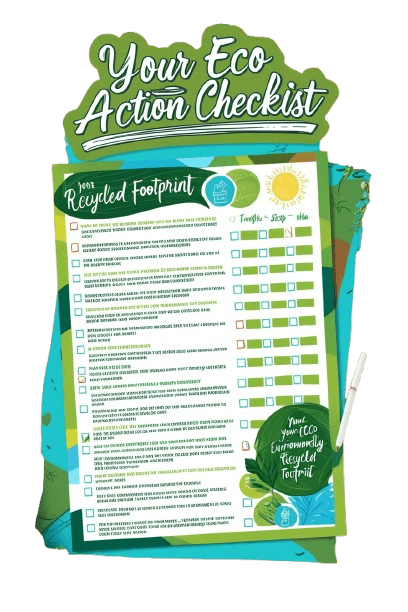
- Switch to a mineral, reef-safe sunscreen
- Choose plastic-free or refillable packaging
- Read the ingredients—don’t trust the front label
- Share this guide with your friends & family
Try the Sunscreen Plastic Waste Estimator Tool
Sources & References
This guide is based on research and reporting from environmental organizations, scientific publications, and trusted public data sources, including:
- International Coral Reef Initiative (ICRI
- Environmental Working Group (EWG
- National Library of Medicine (PubMed / NIH)
- The Guardian
- Wikipedia
- Science Daily
Our research approach:
This guide is informed by research and reporting from environmental organizations, peer-reviewed scientific publications, and trusted public data sources, including.
Specific studies and reports are reviewed and referenced during our research process. Where possible, we encourage readers to explore original publications from the organizations listed above.
Frequently Asked Questions
Yes. Reef-safe sunscreens protect your skin from UV rays just like conventional sunscreens. Mineral filters such as non-nano zinc oxide and titanium dioxide reflect UV radiation and are widely used in effective sun protection.
A sunscreen is generally considered reef-safe when it avoids UV filters linked to coral damage, such as oxybenzone and octinoxate, and instead uses mineral filters like non-nano zinc oxide or titanium dioxide.
Ingredients commonly associated with coral reef harm include oxybenzone, octinoxate, octocrylene, and certain parabens. These chemicals have been linked to coral bleaching and marine toxicity.
Not always. While mineral sunscreens are generally safer, some still contain additives that may harm marine life. A sunscreen is best considered reef-safe only if it avoids UV filters linked to coral damage and uses non-nano zinc or titanium.
Reef-safe sunscreens are sometimes slightly more expensive because of cleaner formulations and ethical sourcing. However, many affordable reef-conscious options are now widely available.
Yes. Reef-safe sunscreens typically expire after about three years or sooner once opened. Always check the expiration date and avoid using sunscreen that smells unusual or has changed texture.
Biodegradable sunscreen refers to products formulated so their ingredients break down more easily in the environment. However, biodegradable does not automatically mean reef-safe, so ingredient lists still matter.



This Is a Journey, Not a Destination
Eco-conscious living isn't about perfection or overnight transformation. It's about showing up with curiosity, learning as you go, and finding your own authentic path toward a more intentional life.
Join a community of thoughtful individuals who are exploring what it means to live in harmony with Earth—one choice, one reflection, one small step at a time.