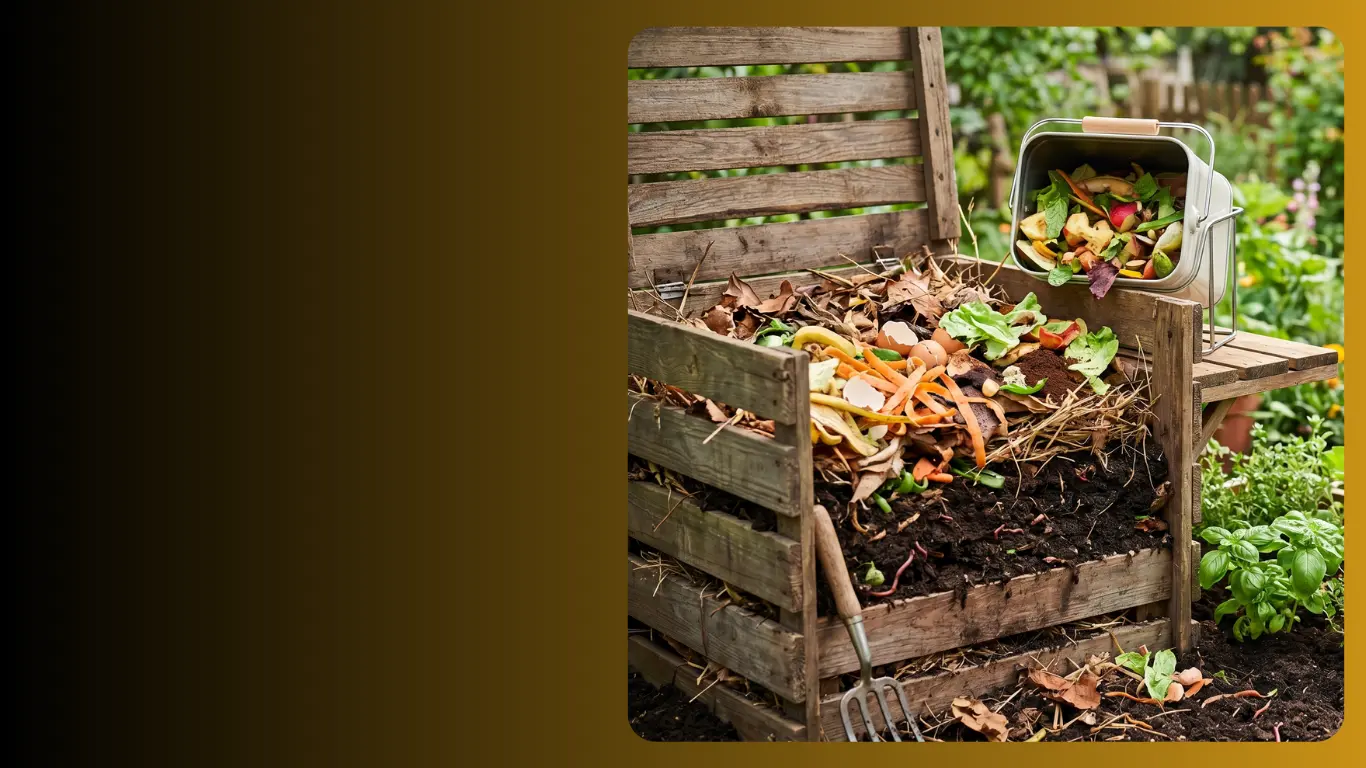

Menu
Share this story
How to Compost Kitchen Waste at Home (Even If You Live in a Flat)
Hey, busy human. Let’s talk compost.
You work hard. You juggle meetings, scrolling, life—and probably throw away kitchen waste every single day without thinking twice.
And somewhere in your mind, you’ve thought:
“Composting sounds good… but it’s messy. Complicated. Not for me.”
Here’s the truth:
Composting at home is simpler than you think and you don’t need a garden, expensive bins, or perfect conditions.
Whether you live in a flat in India, a rented space, or a small home, you can start composting with what you already have.
This guide will show you:
Exactly how to compost kitchen waste step by step
The best composting methods for small spaces
What to add (and what to avoid)
How to do it without smell or mess
No fluff. No guilt. Just one simple habit at a time.
If you're trying to build a more eco-friendly routine, check out our guide on sustainable kitchen habits.
How to Compost at Home
To compost kitchen waste at home, collect vegetable scraps, add dry materials like leaves or paper (browns), maintain a 2:1 ratio of browns to greens, and allow it to decompose over 4–8 weeks with proper airflow and moisture.
What is Composting (Simple Explanation)
Because the Planet Can’t Handle More Waste
Forget the idea that composting is simply dumping food scraps into a pile and hoping for the best. It’s a natural recycling process that transforms kitchen and garden leftovers into dark, crumbly, nutrient-packed soil.
In simpl;e terms:
Composting is nature’s own method of breaking down organic material into healthy soil, using microbes, oxygen, and time. And yes — it works just as well in a flat as it does in a backyard.
Now that you know the gist, here’s the best part: you can make high-quality composting bin right at home without spending a rupee or dollar on overpriced bags from online shops. It’s cheaper, fresher, and better for the planet.
How to Compost Kitchen Waste at Home (Step-by-Step)
-
Step 1: Collect Kitchen Waste
Vegetable peels, fruit scraps, tea leaves, coffee grounds
-
Step 2: Add Browns (Dry Materials)
Dry leaves, shredded paper, cardboard
-
Step 3: Maintain Balance
Keep a 2:1 ratio of browns to greens
-
Step 4: Keep It Moist (Not Wet)
Your compost should feel like a damp sponge
-
Step 5: Turn or Mix Weekly
This helps airflow and speeds up decomposition
-
Step 6: Wait 4–8 Weeks
You’ll get dark, earthy compost ready for plants
Having the right setup makes composting easier—here are some essential plant tools for home gardening to get started smoothly.

One banana peel doesn’t feel like a revolution, but habits scale.
composting basics beginners: How to Start with a Compost Bin
No shopping required. No plastic is promoted. Just reuse what you’ve got and start
The truth?
Your ideal compost bin isn’t in a store — it’s already sitting at home. That old wooden crate, metal pot, or unused container could be your gateway to reducing waste and making free fertiliser.
Whether you're ready to begin composting today or just exploring, the method remains simple, and the best part is that you don’t need to buy anything. You can build your compost bin using what you already have at home.
This guide doesn’t promote plastic use. We encourage you to reuse, repurpose, and reduce. Your compost bin should reflect those values too.
Over time, this turns into nutrient-rich soil because your soil is your plant’s soul, and creating your own soil mix can completely transform plant growth.
Best Composting Methods for Home (Choose Your Style)
Choose the composting style that fits your space, schedule, and lifestyle
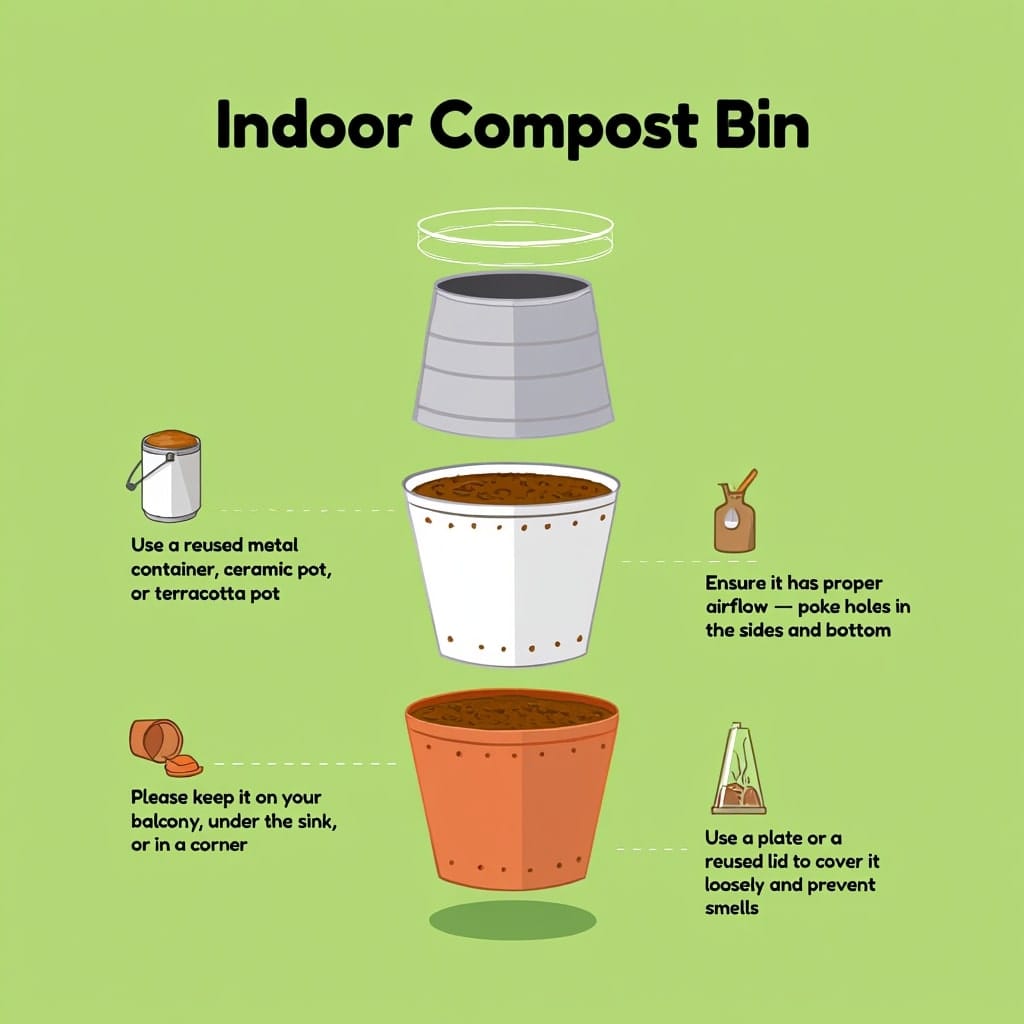
(for Flats or Small Spaces)
Indoor Compost Bin
Compact and odour-controlled, great for small homes, flats, or apartments. Fits neatly under the sink or in a kitchen corner, letting you compost food scraps without stepping outside.
Best for people who want convenience and quick access.
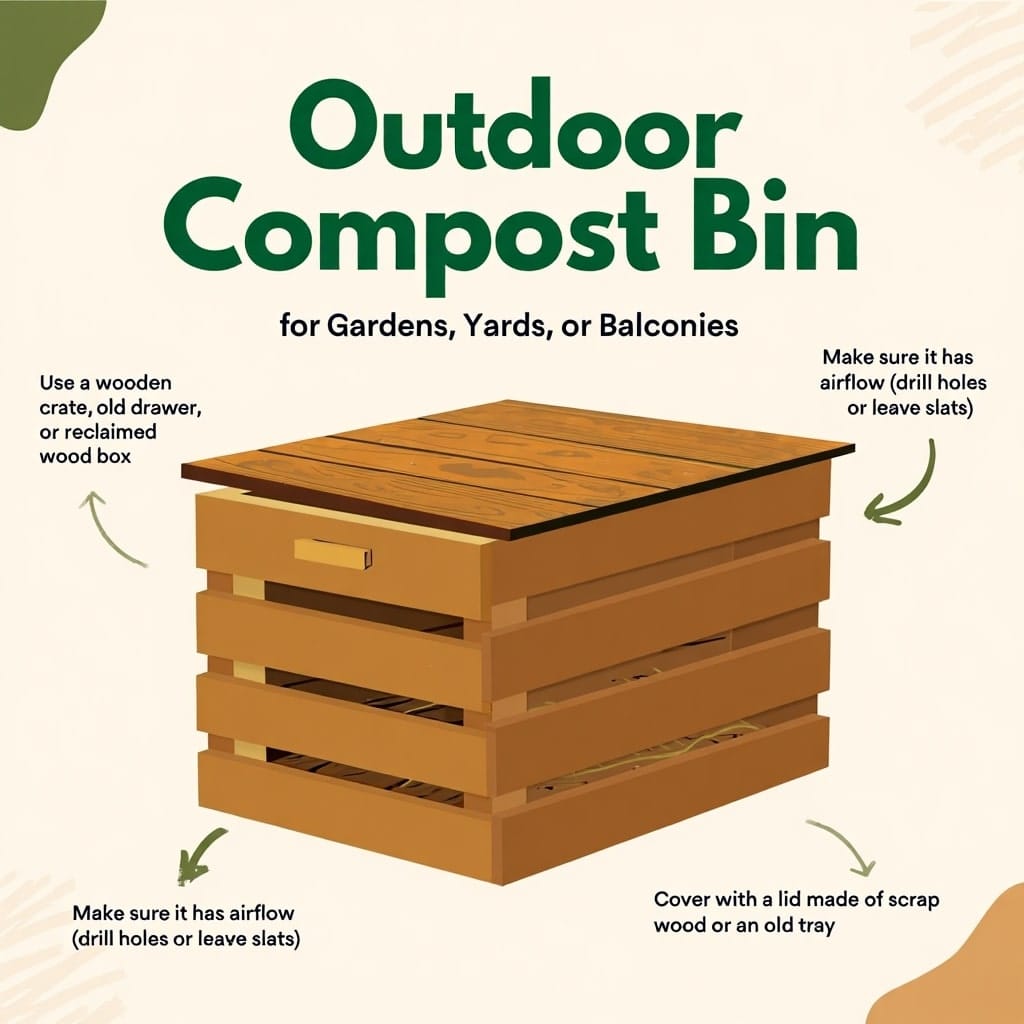
Got a yard? Go classic.
Outdoor Compost Bin
Ideal for those with a backyard or garden space. Handles large amounts of garden waste and kitchen scraps, creating nutrient-rich compost in bulk.
Perfect if you want to compost year-round and don’t mind turning the pile occasionally.
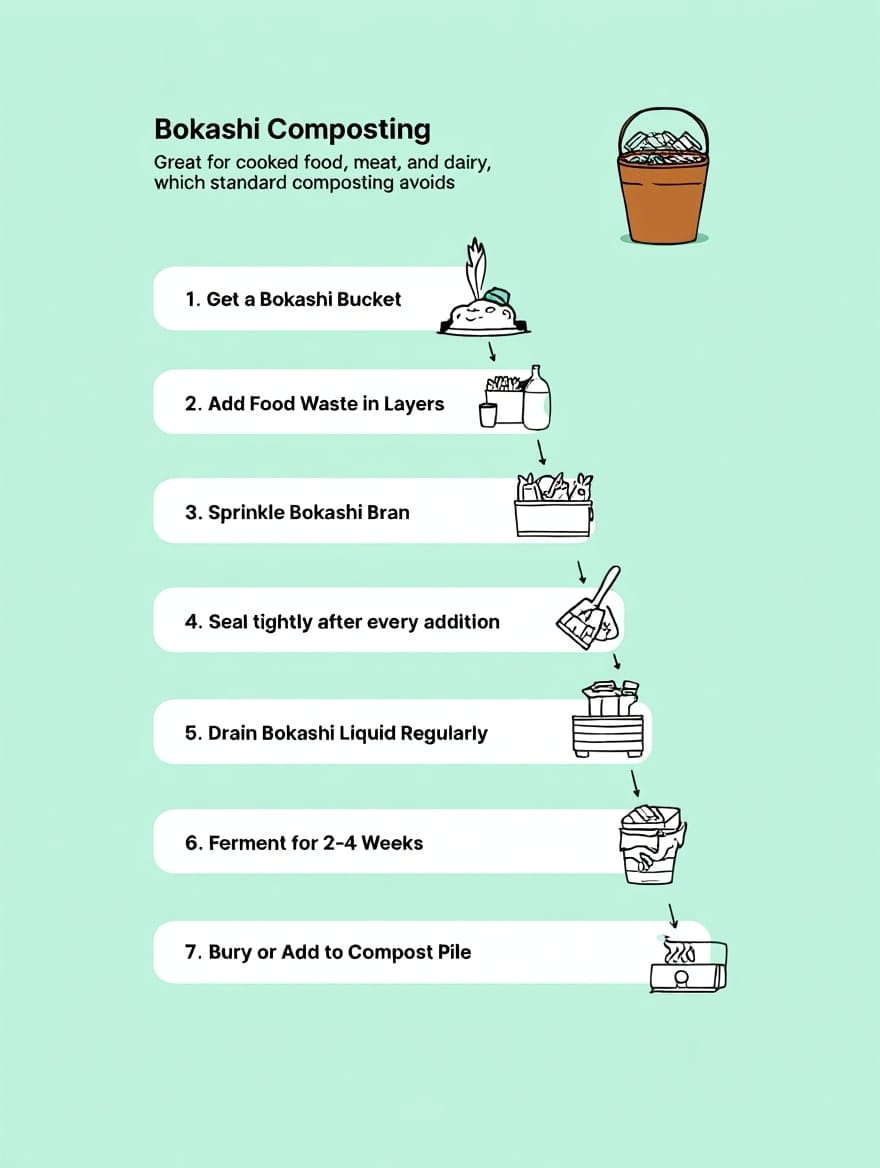
(Turn Cooked Food into Compost)
Bokashi Composting
Great for cooked food, meat, and dairy, which standard composting avoids.
Works well for apartment dwellers or anyone who wants to compost meat and dairy without attracting pests.
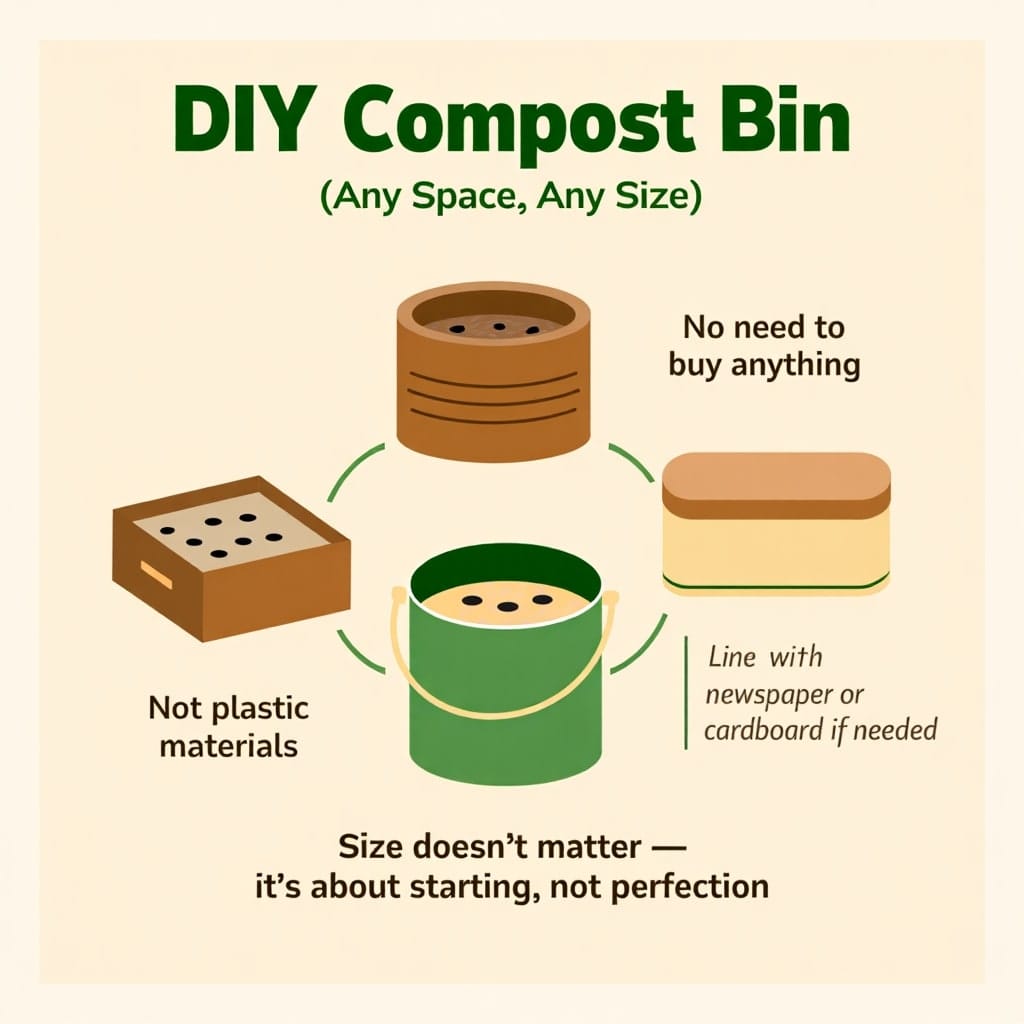
(Any Space, Any Size)
DIY Compost Bin
Create your compost bin from materials you already have on hand — such as wooden crates, metal containers, or other repurposed items (excluding plastic). Cost-effective, eco-friendly, and personalised to your space.
Great for building a composting habit without buying new equipment.
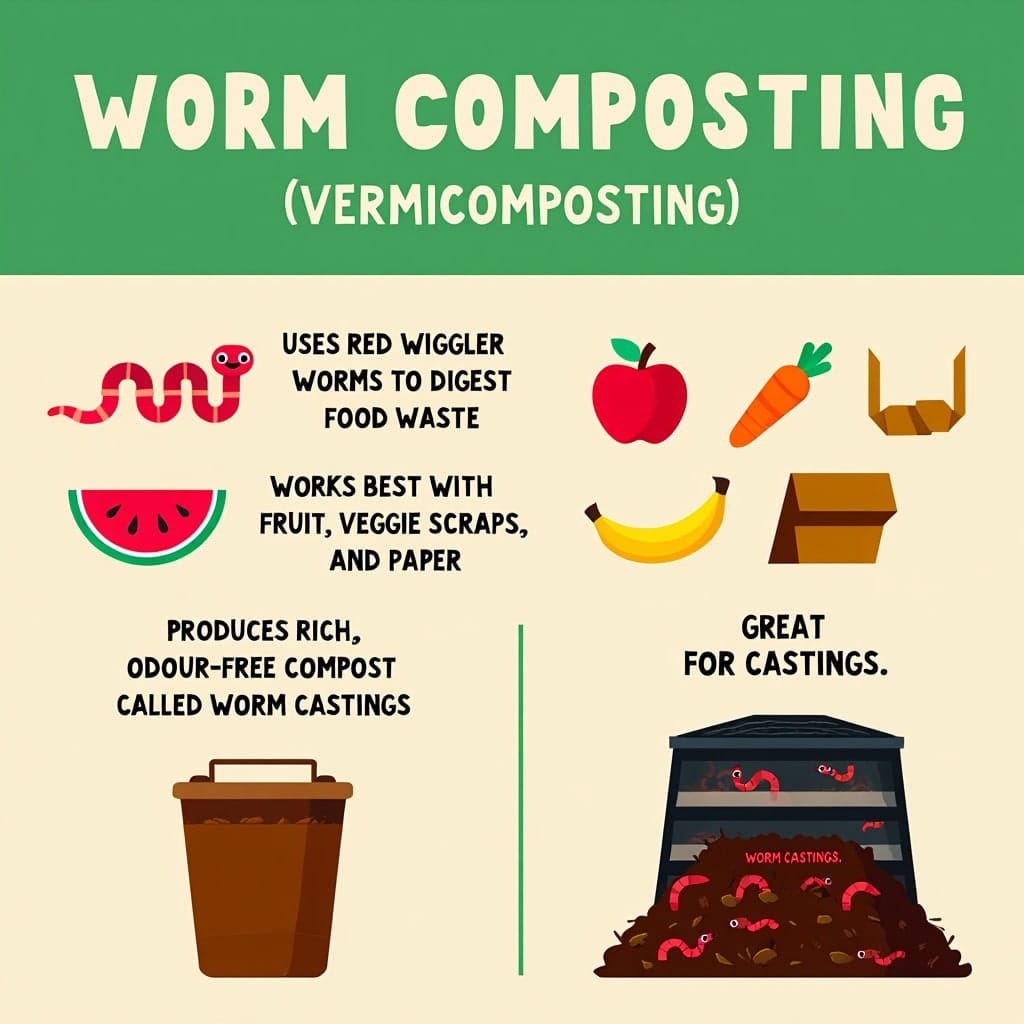
Vermicomposting
Worm Composting
Uses red wigglers (composting worms) to break down food waste quickly into nutrient-rich worm castings. Works indoors or outdoors and produces some of the most potent natural fertilizer for plants.
Perfect for gardeners and balcony growers.
The goal is to repurpose what you have the bin can be small or large, fancy or rough. What matters is the habit, not the hardware.
composting without smell
Composting in Apartments Without Smell”
One of the biggest fears about composting at home is this:
“Will it smell?”
Short answer: No—if done correctly, compost should smell earthy, not foul.
If your compost smells bad, it’s not because composting doesn’t work—it’s because something is out of balance.
Here’s how to compost in apartments without smell or mess:
01
Maintain the Right Balance (Most Important Rule)
Always keep more browns (dry waste) than greens (kitchen waste).
Greens: vegetable peels, fruit scraps, coffee grounds
Browns: dry leaves, shredded paper, cardboard
👉 Follow a 2:1 ratio (browns to greens)
This prevents excess moisture—the main cause of bad odor.
02
Control Moisture (Avoid Wet Compost)
Your compost should feel like a damp sponge — not soggy.
If it’s too wet:
Add dry leaves or paper
Mix the compost to improve airflow
👉 Too much water = smell
👉 Balanced moisture = no smell
03
Use a Closed but Ventilated Bin
For apartments, choose or create a compost bin that:
Has a lid (to contain odor)
Has small air holes (for airflow)
You can even use:
Old buckets
Clay pots
Repurposed containers
👉 No need to buy expensive bins
04
Chop Waste into Smaller Pieces
Smaller pieces decompose faster and reduce smell buildup.
Cut fruit peels
Break larger scraps
👉 Faster decomposition = less odor
05
Avoid Problem Foods (Especially Indoors)
Some items cause strong smells and attract pests:
❌ Meat, fish, dairy
❌ Oily or greasy food
❌ Cooked leftovers (unless using Bokashi method)
Stick to:
✔ Vegetable scraps
✔ Fruit peels
✔ Tea leaves, coffee grounds
06
Mix Your Compost Weekly
Turning your compost:
Improves airflow
Speeds up decomposition
Prevents bad smell
Even a quick mix once a week makes a big difference.
07
Keep It in the Right Spot
Place your compost bin:
Under the sink
On a balcony
In a ventilated corner
Avoid completely closed spaces with no airflow.
Quick Reality Check
A healthy compost:
✔ Smells earthy
✔ Doesn’t attract pests
✔ Breaks down naturally
If it smells bad, just adjust:
👉 Add more browns
👉 Reduce moisture
👉 Mix it
That’s it.
For a complete setup, check our detailed guide on composting in apartments step-by-step.
What Can You Compost (Greens vs Browns)
The best compost bin isn’t in an online store — it’s in your home, waiting to be repurposed.
Turn everyday items into a zero-cost, planet-friendly compost bin.
Greens (Nitrogen-Rich) | Browns (Carbon-Rich) | Vegetable scraps & fruit peels | Shredded cardboard |
|---|---|
Coffee grounds & paper filters | Dry leaves |
Tea leaves & unbleached tea bags | Newspaper (no glossy) |
Banana peels | Coconut coir or sawdust |
Grass clippings | Straw or hay |
Quick Guide to Using Greens and Browns in Your Compost
Greens are the fresh, moist items like vegetable scraps, fruit peels, coffee grounds, tea leaves, banana peels, and grass clippings. Chop scraps into smaller pieces for faster breakdown, and remember that tea bags should be unbleached and plastic-free.
Coffee filters are fine if they’re unbleached paper.
Browns are the dry, fibrous materials like shredded cardboard, dry leaves, newspaper, coconut coir or sawdust, and straw or hay. Always use plain cardboard and paper without glossy coatings or colored ink, and choose sawdust from untreated wood only. Shred or crumble browns to speed up composting and mix them well with greens to keep your pile airy and odor-free.
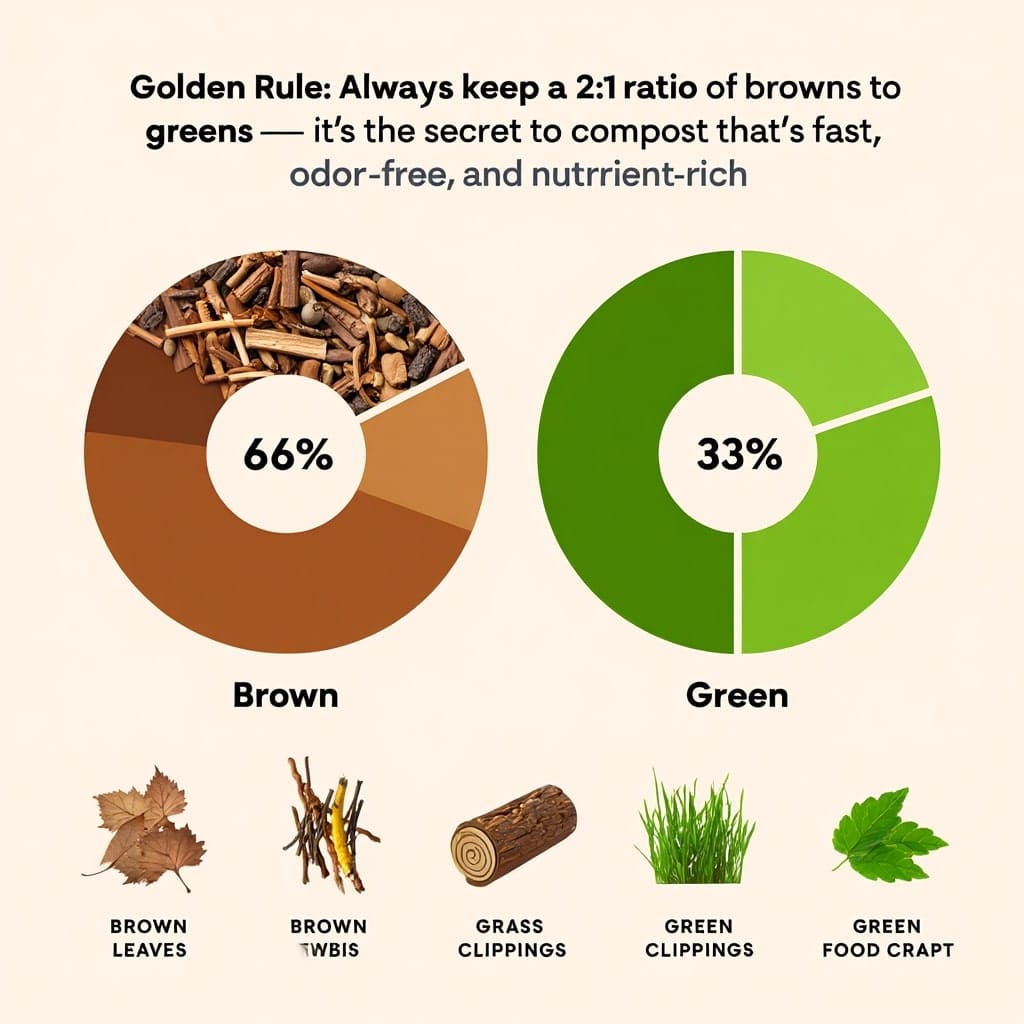
For best results, follow the 2 parts browns to 1 part greens rule. Too many greens can make compost wet and smelly, while too many browns can slow the process. Aim for balance, and your compost will reward you with rich, healthy soil.
Earthly Tip:
Chop scraps into smaller pieces and shred browns for faster composting. Keep a 2:1 ratio of browns to greens. It’s your secret to rich, odour-free compost.
Getting this balance right is key. Use our soil mix for plants to find the perfect compost-to-soil ratio for your plants.
Bonus Soil Boosters (Optional)
Once your compost is going, you can give it an extra nutrient kick using common household items you probably already have. These are completely optional, but they can make your compost even richer:
- Crushed eggshells (calcium)
- Epsom salt (magnesium — use sparingly)
- Coffee grounds (attracts worms)
- Banana peels (Potassium)
- Wood ash (pH balancing)
(Trust Us on This One)
What Not to Compost
Just because something is natural or came from the kitchen doesn’t mean it belongs in your compost bin — especially if you’re composting indoors or in small spaces. These items can cause smells, attract pests, or even harm your compost’s quality.
| Avoid These | Why They’re a Problem |
|---|---|
Meat, fish, or bones |
Rot quickly, smell terrible, and attract rodents or flies. |
Dairy products |
Spoil fast, create strong odours, and cause greasy buildup. |
Greasy or oily foods |
Coat materials and block airflow, slowing decomposition. |
Pet waste |
It can contain harmful bacteria or parasites. |
Glossy paper & magazines |
Plastic coatings and chemical inks can contaminate compost. |
Treated wood or sawdust |
May release toxic chemicals that harm soil life. |
Eco Tip:
If you’re ever unsure whether something belongs in compost,ask yourself: “Will it break down naturally and safely?”. If the answer is no or you’re uncertain, leave it out.
Common Composting Mistakes
Common Mistakes Beginners Make
- Adding too many food scraps (causes smell)
- Not adding dry materials
- Overwatering the compost
- Not mixing regularly
Fixing these alone can double your compost success rate.
How Long Does Composting Take?
One of the most common questions beginners ask is:
“How long will it take to turn kitchen waste into compost?”
Quick Answer:
Composting at home typically takes 4 to 8 weeks in warm conditions, and up to 10–12 weeks in cooler environments.
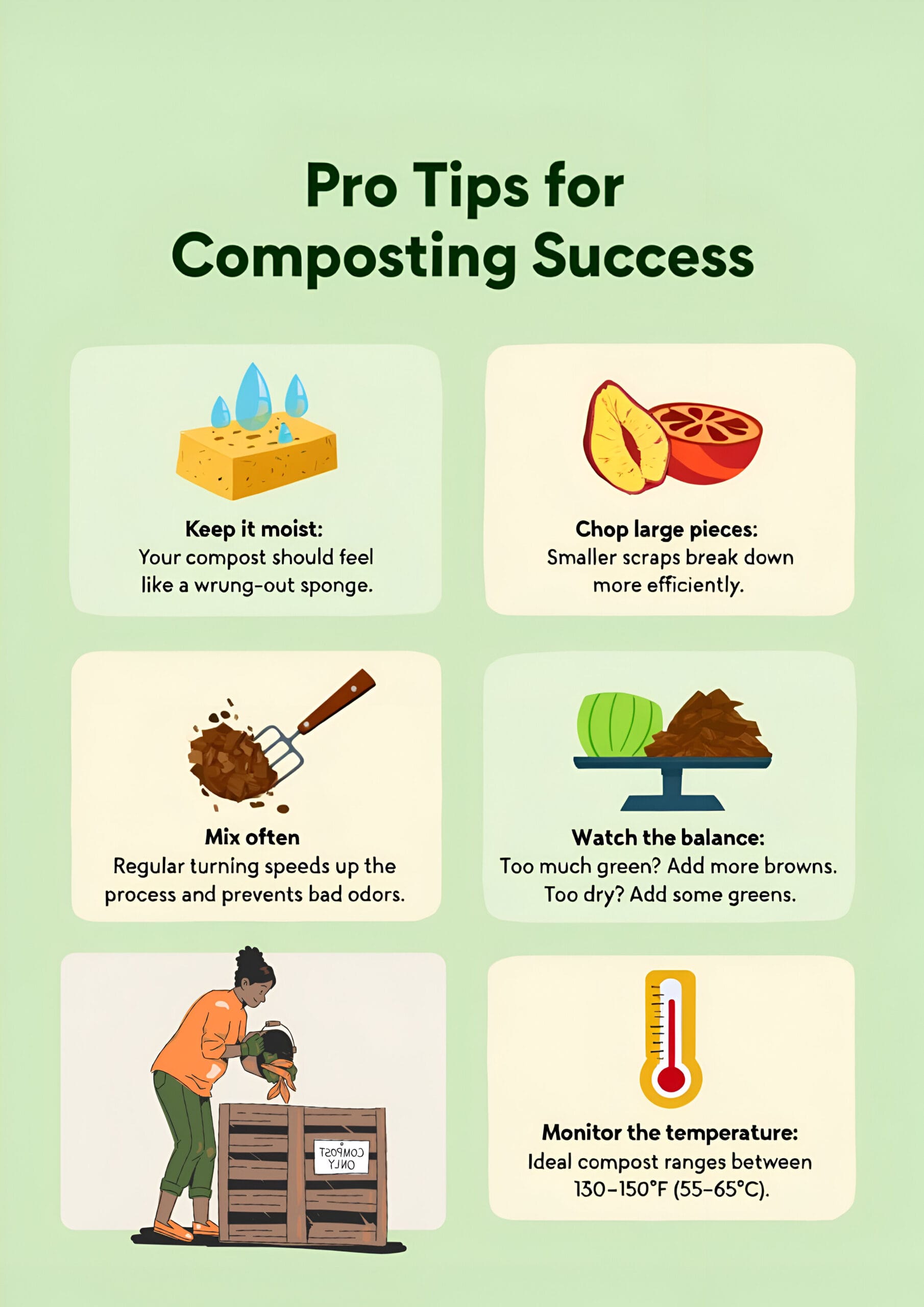
Pro Tips for Composting Success
Common Mistakes
Small daily habits can transform your compost. From chopping scraps to keeping the right moisture balance, these easy routines will speed up decomposition, prevent odors, and give you nutrient-rich compost that’s healthier and far better than anything you could buy online.Tiny Tips That Make a Big Difference
Fixing these alone can double your compost success rate.
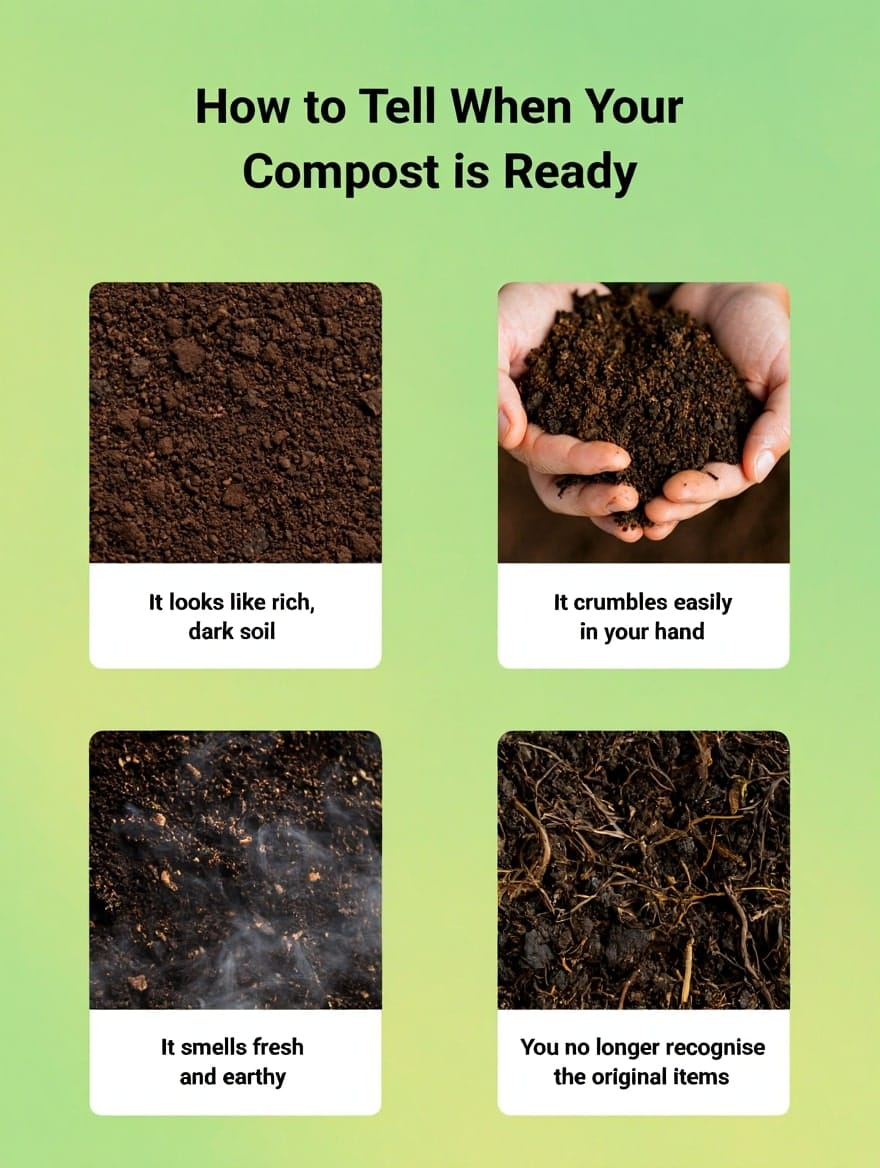
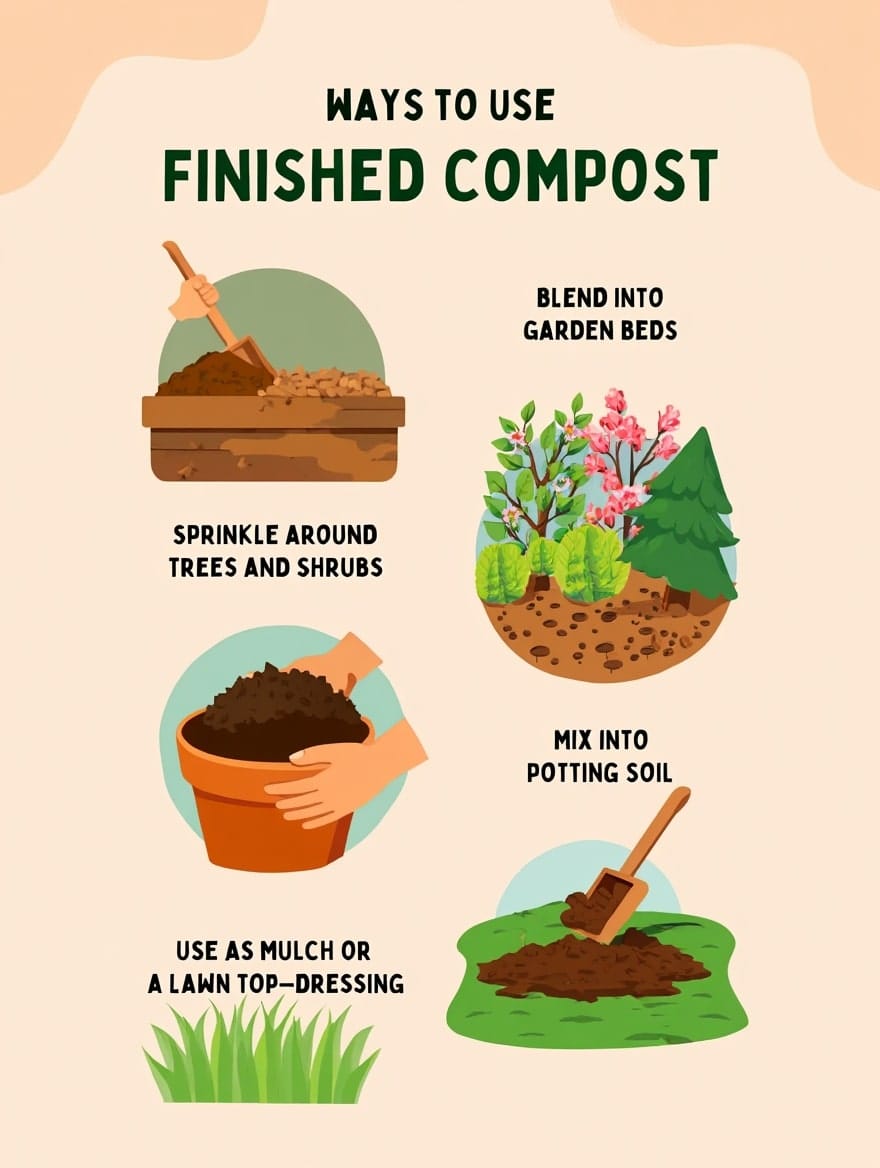
From Bin to Garden: Knowing When & How to Use Your Compost
Simple signs your compost is ready and the best ways to put it to work.
If you're wondering what to grow, explore our guide on best plants to grow in your kitchen—including edible, air-purifying, and low-maintenance options perfect for small spaces.
Not sure which plant suits your home or lifestyle? Try our plant finder tool to discover the perfect match for your space.
One Habit = Global Impact
You're not just reducing your waste.
You’re joining a movement.
- in India, estimates show that nearly 40% of the food produced is lost or wasted,
- In the U.S. alone, 30–40% of food is wasted every year.
- Households are the #1 source of that waste.
But composting just one bag of scraps per week can save hundreds of pounds of trash annually from hitting landfills.
Imagine if just 10% of working professionals worldwide composted a portion of their scraps.
Final Thoughts: You Don't Need to Be Perfect — Just Start
Look, no one is asking you to churn compost in your suit or collect banana peels like a squirrel.
But maybe you start with a small container under your sink. Or you toss your coffee grounds into a sealed bin instead of the trash.
One step. One change. One habit.
It won’t disrupt your life. It’ll upgrade it.
You’ll feel good. Your plants will thrive. The Earth will thank you.
And before you know it, you won’t just be someone who composts,
You’ll be someone who made it a habit to care.
So, what are you waiting for?
Peel that banana. Drop it in the bin.
And start composting your way to a better world — one scrap at a time.
Frequently Asked Questions: Composting Made Simple
Answers to Common Questions for Beginners on Home Composting Practices
What is composting and why should I do it at home?
Composting is the process of turning kitchen waste like food scraps and organic materials into nutrient-rich soil. Doing it at home reduces waste, lowers landfill impact, and creates natural fertilizer for healthier plants.
How do I start composting at home?
To start composting at home, collect kitchen scraps, add dry materials like leaves or paper, maintain a 2:1 balance of browns to greens, and keep the mixture slightly moist. With proper care, compost can be ready in a few weeks.
Can I compost in an apartment or small space?
Yes, composting works well in apartments and small homes. Use a compact bin, maintain proper balance, and ensure airflow to prevent odor. Indoor composting is simple and effective even without a garden.
How do I compost without smell?
Compost stays odor-free when you maintain the right balance of dry and wet materials, avoid excess moisture, and mix regularly. A healthy compost should smell earthy, not foul.
What materials can I put in my compost bin?
You can compost fruit peels, vegetable scraps, coffee grounds, and dry materials like paper, cardboard, and leaves. Avoid meat, dairy, and oily foods as they can cause odor and attract pests.
What should I avoid in composting?
Do not compost meat, dairy, oily foods, synthetic chemicals, diseased plants, or aggressive weeds, as these can cause odors, pest problems, or harm your garden.
How long does it take to make compost at home?
Composting typically takes 4–8 weeks in warm conditions and slightly longer in cooler environments. The time depends on moisture, airflow, and how well the materials are balanced.
How do I know when compost is ready to use?
Compost is ready when it looks dark, crumbly, and smells like fresh soil. You should not be able to recognize the original waste materials.
What are the best composting methods for beginners?
Beginners can start with indoor bins, balcony composting, or simple DIY compost systems. These methods are easy to manage and suitable for most homes.
Are there different composting methods?
Popular methods include traditional backyard bins, DIY Composting, indoor composting, vermicomposting, and hot or cold piles. Each has pros and cons depending on space, speed, and materials available.